
"South Central"
6000 article(s) found

Panamanian Kasha flavor
Panama is located on the Panamanian isthmus in Central America, bounded by Colombia to the east, the Pacific Ocean to the south, Costa Rica to the west and the Caribbean Sea to the north. The territory is S-shaped to connect North and South America, and the Panama Canal connects the Atlantic and Pacific oceans from north to south. It is known as the bridge of the world. [5] Panama has a land area of 75517 square kilometers, a land length of 772km and a width of 60 to 1.

Basic knowledge of Fine Coffee Coffee History of South America
[Colombia] is the world's second-largest coffee producer, accounting for about 12% of the world's annual output, which is much lower than Brazil's 30% to 35%, but most of them are high-quality mountain-washed beans. Central Colombia is divided into valleys by three north-south longitudinal mountains, of which the central and eastern mountains are the main coffee producing areas. The coffee here is named after the distributed market

More fertile soil in the south-central coffee producing area of Puerto Rico Larez Yaoke Coffee
Yaocote's choice of coffee, which is grown only on three farms in the southwest of the island, is fragrant and has a long aftertaste. This kind of coffee is very expensive and its flavor is comparable to that of any other coffee variety in the world. In the Yauco area, the coffee is owned and operated by local planters. The mountain climate here is mild, and the plants have a long mature period (from October to February of the following year).
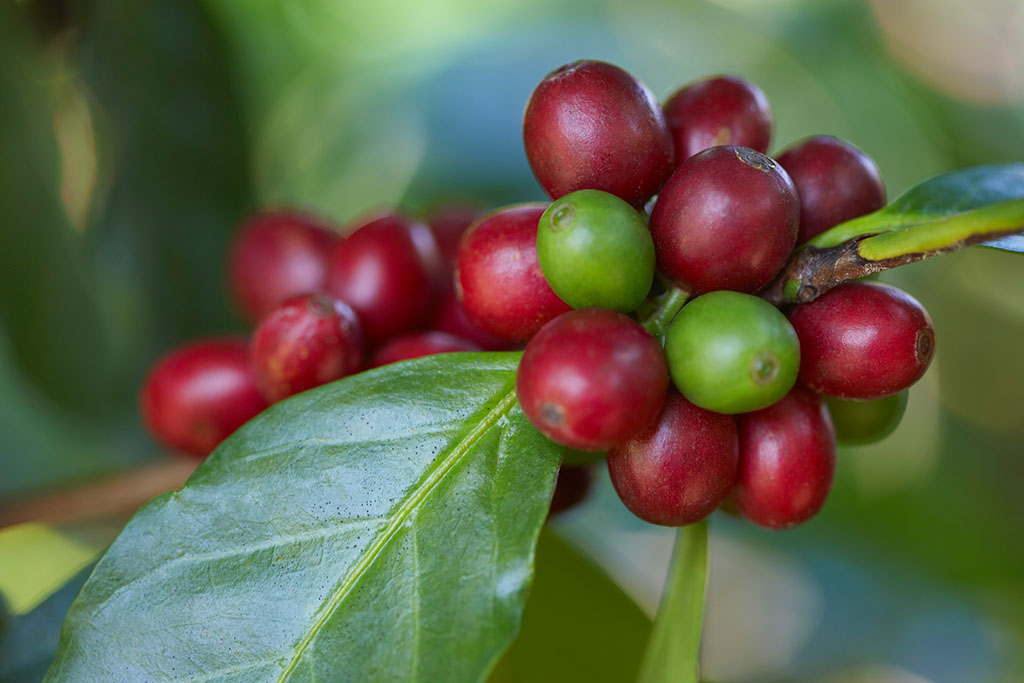
Costa Rican "complete Coffee" Central and South American boutique coffee CR flavor
Costa Rica (Costa Rica) aroma 3.5 minutes brightness 4.5 minutes mellow 3 minutes flavor 4.5 minutes aftertaste 4.5 minutes suitable for baking degree: Light/Medial/City wants to show Costa Rican perfectly balanced flavor, then absolutely can not deep baking, it is recommended that City degree, or even the end of the first explosion can be added beans, when the flavor and flavor will be both, close to the second explosion is the most baking
Flavor and taste of Ecuadorian boutique coffee beans A brief introduction to the characteristics of Hassanda Coffee Garden
Central mountain: after entering Ecuador from Colombia, the Andes is divided into the eastern and western Cordillera mountains, with a plateau high in the north and low in the south, averaging between 2500 and 3000 meters above sea level. The Andes run through the middle of the border. The ridges crisscross, dividing the plateau into more than ten intermountain basins. The most important are the Quito basin and the Cuenca basin in the south. Volcanic crowds in the territory

The effect of altitude on Coffee Flavor
The influence of geographical location on the flavor of coffee beans is profound. All coffee grows in the tropics, and the altitude at which it grows has a profound effect on the taste of coffee. The tropical belt extends from 30 degrees north latitude to the equatorial regions of the southern mountains that produce the world's truly high-quality Arabica coffee. Central and South America, South Asia and some Pacific islands, south-central Africa is also the most important in the world.
Colombia coffee growing areas and seasonal characteristics of Colombia coffee beans varieties Flavor description
|Colombia is the third largest coffee exporter in the world, mainly producing Arabica coffee and exporting the most Arabica beans. Colombia is rich in products, especially coffee, flowers, gold and emeralds known as the four treasures. Colombia is located in the northwestern part of the South American continent, with Panama in Central America
Basic knowledge of boutique coffee introduction to coffee in South America
[Colombia] is the world's second-largest coffee producer, accounting for about 12% of the world's annual output, which is much lower than Brazil's 30% to 35%, but most of them are high-quality mountain-washed beans. Central Colombia is divided into valleys by three north-south longitudinal mountains, of which the central and eastern mountains are the main coffee producing areas. The coffee here is named after the distributed market
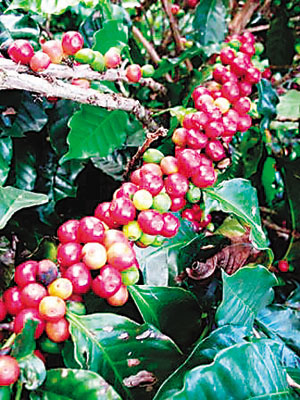
Coffee Guatemala Vivetna fruit imported raw beans Central American SHB very hard beans boutique coffee beans
Guatemala, which is famous for its highland topography, has a unique flavor of high-altitude hard beans that perform well in all-inclusive coffee producing areas and produce high-quality coffee with eye-catching performance. Guatemalan coffee has rich flavor changes and strong acidity, and sometimes can feel some changes in spices, from medium to full consistency, high complexity, is the best representative of complex style.

Are there any good brands of coffee beans in Colombia? How do you drink Colombian coffee?
For more information on coffee beans, please pay attention to the coffee workshop (official Wechat account cafe_style). It is often said that high-quality South American coffee resembles Central America, meaning that Central American coffee is superior to South America, which mainly produces commercial coffee in terms of bean seed, soil, and treatment. Volcanic soil + family operation Colombia is located in the northwest of the South American continent and Panama in Central America.

Coffee Basics The effect of altitude on coffee flavor
The impact of location on coffee bean flavor is profound. All coffee is grown in the tropics, and the altitude at which it is grown has a profound effect on the taste of coffee. The equatorial regions of the tropical belt, which extends from 30 degrees north latitude to the southern mountains, produce the world's truly premium Arabica coffee. Central and South America, South Asia and some Pacific islands, South Central Africa is also the world's most important
The History and Culture of Fine Coffee Coffee History of South America
[Colombia] is the world's second-largest coffee producer, accounting for about 12% of the world's annual output, which is much lower than Brazil's 30% to 35%, but most of them are high-quality mountain-washed beans. Central Colombia is divided into valleys by three north-south longitudinal mountains, of which the central and eastern mountains are the main coffee producing areas. The coffee here is named after the distributed market
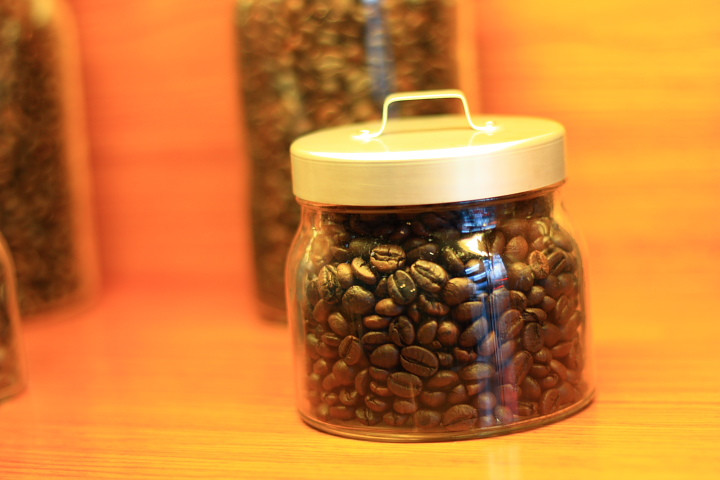
Central and South American Coffee Manor Coffee beans Bana Carmen Coffee Coffee prices in Carmen Manor Panama
Carmen Manor [Origin]: Panama [Manor]: Carmen Manor [Grade]: SHB, EP [altitude]: 1750 m [soil]: black soil [particles]: 17 mesh [varieties]: Kaduai Catuai 70%, Kaddura Caurra20%, tin card Typica, dwarf San Ramon SanRamon, New World MundoNovo10% [raw bean treatment]: semi-washed [taste]

Flavor and taste of Ecuadorian boutique coffee beans introduction to Hasunda Coffee Garden
West coast: including coastal plains and foothills, high in the east and low in the west, generally below 200 meters above sea level, with some hills and low mountains at an altitude of 600 to 700 meters. Belongs to the tropical rain forest climate, the southernmost end begins to transition to the savanna climate. The average annual precipitation decreases from more than 3000 mm to about 500mm from north to south. Central Mountains: the Andes enter Ecuador from Colombia
Guatemala Coffee beans Guatemala Coffee producing area Vivette South Fruit Plateau-Baohu Manor
For the exchange of professional baristas, please follow the coffee workshop (official Wechat account cafe_style) introduction: Guatemala is located in the isthmus of China and the United States, where many volcanoes form mountains and plateaus, producing high-quality high-altitude very hard coffee beans from Central America, making it the ninth largest coffee producer in the world. The main coffee producing areas in Guatemala are Antigua, Huehuetenango, Atitlan and C.
Single coffee Guatemala Vivetna fruit imported raw beans Central American SHB very hard beans boutique coffee beans
Coffee Bean details: country: Guatemala Grade: SHB production area: Vivette Nan Fruit Baking degree: medium-depth Baking method: washing Variety: Kaddura, Kaduai, bourbon soil: volcanic soil Flavor: nuts, Dark Chocolate, cut Tobacco Guatemala is famous for its highland topography, its unique flavor of high-altitude extremely hard beans is extremely good in all-inclusive coffee producing areas.

Lively fragrant coffee flavor description of Incht Manor in Guatemala
Located in the northern part of Central America, bordering Mexico, Belize, Honduras and El Salvador. It is bordered by the Pacific Ocean to the south and the Gulf of Honduras in the Caribbean Sea to the east, bordering Mexico, El Salvador, Honduras and Belize on land. 2/3 of the territory consists of mountains and plateaus. There are Kuchu Matanes Mountains in the west, Madre Mountains in the south, and volcanic belts in the west and south.
Coffee training knowledge: the effect of altitude on coffee flavor
The influence of geographical location on the flavor of coffee beans is profound. All coffee grows in the tropics, and the altitude at which it grows has a profound effect on the taste of coffee. The tropical belt extends from 30 degrees north latitude to the equatorial regions of the southern mountains that produce the world's truly high-quality Arabica coffee. Central and South America, South Asia and some Pacific islands, south-central Africa is also the most important in the world.

Effect of Coffee Bean planting altitude on Coffee Flavor
The influence of geographical location on the flavor of coffee beans is profound. All coffee grows in the tropics, and the altitude at which it grows has a profound effect on the taste of coffee. The tropical belt extends from 30 degrees north latitude to the equatorial regions of the southern mountains that produce the world's truly high-quality Arabica coffee. Central and South America, South Asia and some Pacific islands, south-central Africa is also the most important in the world.

Introduction to Honduran coffee beans located in northern Central America San Juan Cido San Barra Estate
Honduras is a mountainous country in Central and North America with a population of more than 8.3 million and an area of about 112,000 square kilometers. Located in northern Central America. It is bordered by the Caribbean Sea to the north, the Gulf of Fonseca in the Pacific Ocean to the south, Nicaragua and El Salvador to the east and south, and Guatemala to the west. More than three-quarters of the territory is mountainous and plateau. Mountains extend from west to east, inland for lava plateau, mountainous